
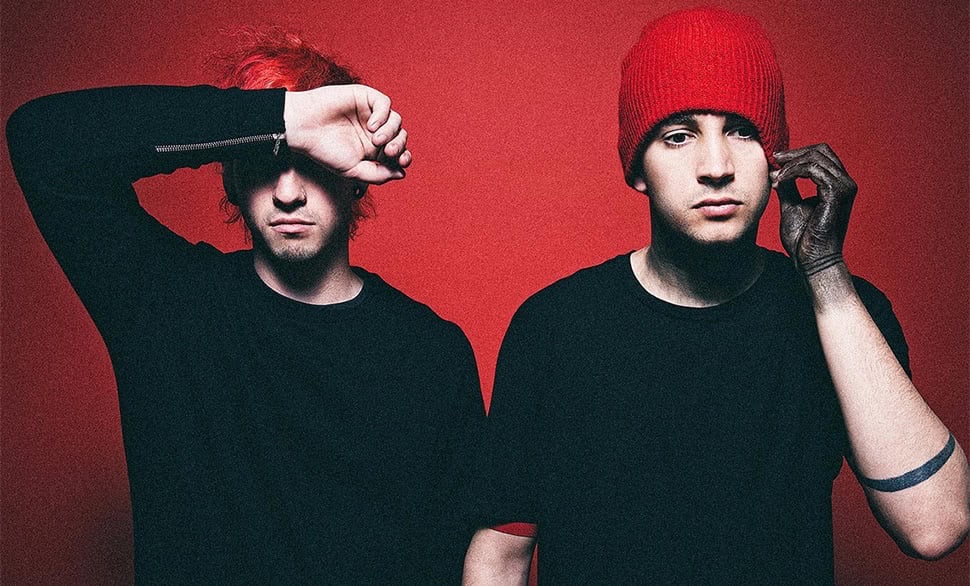
On May 17, 2015, Blurryface was unleashed into the world—and everything changed. Ten years later, it’s not just an album. It’s a cultural timestamp, a symbol of a generation that wore their anxieties on their sleeves and danced through the chaos anyway.
When Twenty One Pilots dropped their fourth record, few could’ve predicted just how massive it would become. With Blurryface, Tyler Joseph and Josh Dun didn’t just cross over into the mainstream—they kicked the door down. The album debuted at No. 1 on the Billboard 200, went on to be certified 4× Platinum, and gave us the inescapable anthem “Stressed Out,” a track that defined mid-2010s youth with its now-iconic line: “Wish we could turn back time to the good old days.”
But Blurryface was more than just hits. It was a concept album with a face—literally. The character of Blurryface, painted in black smudges across Joseph’s neck and hands, personified insecurity and self-doubt. The band turned internal struggle into performance art, using color, symbolism, and genre-blending chaos to connect with fans who were feeling just as overwhelmed.
Musically, it was all over the map—in the best way. Reggae rhythms on “Ride,” industrial hip-hop on “Heavydirtysoul,” ukulele-led introspection on “The Judge.” Pop, rock, rap, indie—Blurryface didn’t play by any genre’s rules, and that’s exactly what made it revolutionary. It made the weird kids feel seen, the anxious kids feel heard, and the genreless feel like they had a place.

The Blurryface era was also the moment Twenty One Pilots became a movement. Their shows became safe havens. Their fans—The Skeleton Clique—turned every concert into a cathartic, communal purge. And the visual world they built around the album? Unforgettable. From the red and black palette to the cryptic lore, they created an entire universe fans could lose themselves in.
Ten years on, Blurryface still holds up—not just as an album, but as an era. It’s a reminder that vulnerability can be loud, messy, and defiant. And in a world that often asks us to keep it together, Twenty One Pilots gave us permission to fall apart—and sing about it at the top of our lungs.


