
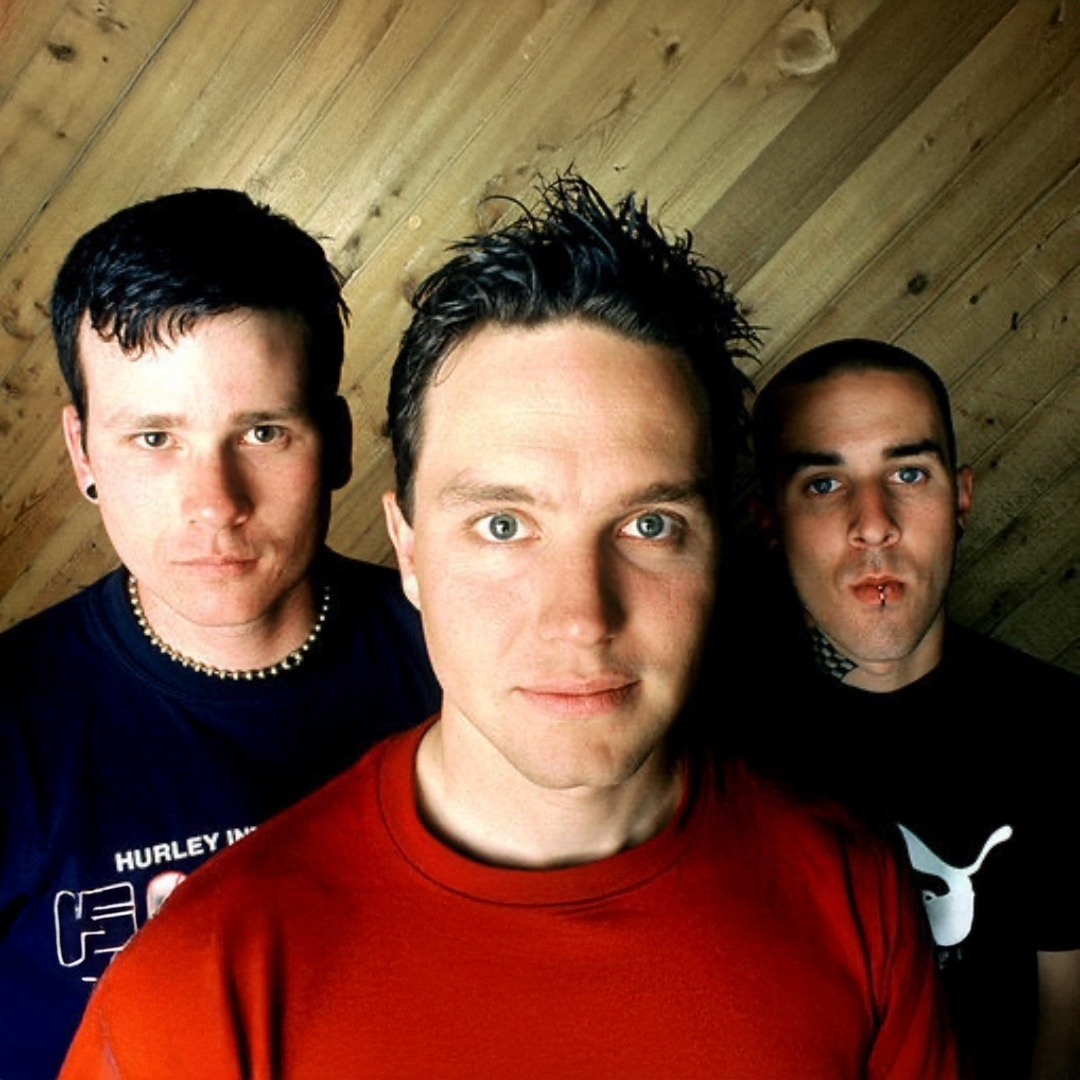
For a band best known for goofball humor and bratty energy, Blink-182’s Adam’s Song was a sudden shift—a gut-wrenching ballad that revealed the emotional weight hiding beneath the surface. Released in March 2000 as the third single from Enema of the State, the song explored depression, loneliness, and the quiet pain that many fans were feeling but couldn’t name.
Written by Mark Hoppus during a stretch of isolation while the band was off the road, Adam’s Song came from a place of deep personal struggle. Hoppus was dealing with burnout, homesickness, and the numbing cycle of tour life. The lyrics were inspired in part by a real suicide letter published in a magazine, and the title was lifted from a sketch on the dark comedy series Mr. Show. Despite the band’s usual tone, this track wasn’t tongue-in-cheek—it was raw, honest, and deeply vulnerable.
When the song debuted, it shocked a lot of listeners. It wasn’t a breakup song or a joke—Adam’s Song read like a farewell note, and the emotion was unmistakable. The final verse does shift into something more hopeful, ending with “Tomorrow holds such better days,” but for many, the pain in the verses felt all too real. The accompanying music video, set in a frozen-in-time teenage bedroom, only amplified the impact.
The song wasn’t without controversy. After Columbine survivor Greg Barnes took his own life in 2000 with Adam’s Song playing on repeat, critics questioned whether it romanticized suicide. Hoppus and the band stood by the song, emphasizing its intent to process pain—not glorify it. Over the years, countless fans have credited the track with helping them survive their darkest moments.
Adam’s Song opened a door in pop punk, making space for vulnerability and emotional depth in a genre that had often avoided it. Without it, there’s no Stay Together for the Kids, no I Miss You, and arguably no emo-pop wave that followed in the early 2000s. More than twenty years later, the song still resonates—and when Hoppus returned to the stage after beating cancer, performing Adam’s Song again gave it new, bittersweet meaning.
Blink-182 may have built their name on energy and chaos, but with Adam’s Song, they reminded us that even the loudest voices can carry something quietly life-saving.


